Crown reduction in Mottingham
If you are looking for crown reduction in Mottingham, you are probably dealing with one of a few common situations: a tree that has grown too large for the space, branches that are starting to overhang a roof or driveway, a canopy that is blocking light into the garden, or a mature tree that simply needs shaping and managing more carefully. For many local homeowners and businesses, the goal is not to remove a tree, but to keep it healthy, well-balanced, and suited to the property around it.
Mottingham has a wide mix of homes, side roads, gardens, boundary lines, and access points that can make professional tree work especially valuable. Whether you live near the residential streets around the village centre, closer to green spaces, or in a property with a compact rear garden and limited access, a carefully planned crown reduction can make a real difference. Done properly, it can improve light, reduce weight, lessen wind resistance, and help a tree sit more comfortably within its surroundings.
This page is designed for real local customers who want clear, practical information before making a decision. If you are considering tree crown reduction for a garden tree, a boundary specimen, or a site with safety or access concerns, you will find the key details here: what the service includes, how it works, what affects pricing, why a local team matters, and what to do next if you want to request a free quote or book your service now.
What crown reduction means for your tree and property
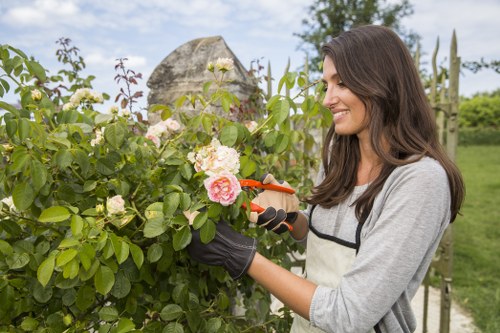
Crown reduction is the careful shortening of the outer canopy of a tree to reduce its overall size while preserving the tree’s natural shape as much as possible. The purpose is not to “top” a tree or cut it back harshly. Instead, the work is carried out by reducing selected branches back to suitable growth points, helping the tree remain healthy, stable, and visually balanced.
For many Mottingham properties, this is the right answer when a tree has grown beyond the available space. A crown that is too large can create a range of practical issues, including reduced sunlight, increased shading on patios and lawns, encroachment over fences, and branches brushing against roofs, gutters, or outbuildings. In tighter residential settings, even a well-established tree can start to feel intrusive if it is no longer managed with the property layout in mind.
A well-executed tree crown reduction can also improve overall safety. Heavy limbs may place strain on weak points, and a large canopy can catch more wind. By reducing the spread and weight of the crown, the tree can become easier to manage and less likely to cause problems in poor weather. This is especially useful in local streets where trees are close to houses, parked cars, footpaths, or neighbouring gardens.
Why crown reduction is often requested in Mottingham

Mottingham is the kind of area where tree work often needs a practical, property-specific approach. Many homes have established gardens with mature trees that were planted years ago and have since become much larger than expected. Others sit near shared boundaries or side access paths, where even modest canopy growth can cause friction between neighbours or make routine maintenance more difficult.
Local customers often ask for crown reduction for reasons such as more daylight, less shade, reduced branch spread, or to create clearance above a garage, shed, conservatory, or extension. In some cases, the tree is near a road or driveway and the branches need to be lifted or shortened to make the area safer and easier to use. In commercial settings, the same service can help maintain access, keep forecourts tidy, and reduce the likelihood of overhanging growth interfering with operations.
The benefit of using a local service is that the work can be planned with the area in mind. A team familiar with Mottingham and nearby places such as Eltham, Chislehurst, Grove Park, New Eltham, and Lee can anticipate access issues, parking restrictions, narrow entry points, and the way different property layouts affect how the job is carried out. That local understanding often makes the whole experience smoother from start to finish.
When crown reduction is the right choice

Not every tree needs to be reduced, and not every problem can be solved in the same way. That is why a proper assessment matters. Crown reduction is usually a sensible option when a tree is healthy enough to respond well to selective pruning, but is too large for the space or causing specific issues that trimming can reasonably address.
You may want to consider crown reduction if the tree is:
- blocking too much natural light into the house or garden
- growing too close to a roofline, boundary, or neighbouring property
- placing pressure on weaker branches after years of growth
- catching wind excessively and feeling unbalanced
- making it difficult to keep a driveway, path, or outdoor area clear
- affecting the appearance of a front garden or commercial frontage
In some situations, tree reduction is also used to help a tree fit better within a planned garden redesign or to support long-term management after previous work has left the crown uneven. The objective is always to preserve the tree’s natural structure where possible, while bringing it back to a size and shape that suits the location.
It is worth noting that crown reduction should be done thoughtfully. Cutting too much, or cutting in the wrong places, can leave a tree vulnerable or create a poor regrowth pattern. A professional approach focuses on what the tree needs, not just on making it smaller.
What is included in a professional crown reduction service
A proper crown reduction service should be planned around the tree, the site, and your goals. While every job is different, local customers in Mottingham can usually expect the service to include a clear assessment, a sensible plan, and a tidy finish.
Typical elements include:
- a visual assessment of the tree’s condition and canopy structure
- discussion about the desired reduction and any problem areas
- selective pruning to shorten selected branches to suitable points
- maintaining the tree’s natural shape wherever practical
- removal of cut branches and green waste from the site
- basic tidying so the garden, driveway, or commercial space is left neat
Depending on the property, the work may also involve careful access planning. In Mottingham, some gardens have narrow side returns, limited off-street parking, or shared entrances, which means the team may need to organise equipment and waste removal efficiently. A good local crew will think about these details before starting, saving time and avoiding unnecessary disruption.
Tree crown reduction in Mottingham should feel straightforward for the customer: a clear scope of work, sensible communication, and a professional result that matches the setting.
How the process usually works

Customers often like to know how a crown reduction job actually takes place. The process is usually simple, though the exact steps vary depending on the size of the tree, its location, and how much work is needed.
In many cases, the service follows a structure like this:
- Initial enquiry - You explain what the tree is doing, where it is located, and what outcome you want.
- Site assessment - The tree is inspected, along with surrounding structures, access points, and any concerns such as overhang or shading.
- Work planning - The pruning approach is chosen, taking into account tree health, shape, and any local constraints.
- Carrying out the reduction - Branches are selectively reduced to appropriate growth points, helping the canopy become smaller and better balanced.
- Clear-up - Cut material is removed, and the area is left tidy and usable.
Some jobs can be completed relatively quickly, while others take more time if the tree is large, awkwardly positioned, or close to buildings and fences. If access is tight, the work may also require more careful handling of waste and equipment. That is why a site visit or detailed quote is often helpful before the work goes ahead.
For customers who want convenience, a local team can usually schedule the work with less delay and with a better understanding of what the property will need on the day.
Why local knowledge matters for Mottingham properties
Choosing a local company for crown reduction is not just about convenience. It can affect how well the work is planned, how smoothly it runs, and how appropriate the final result is for the property. Mottingham has a mixture of older homes, newer extensions, terraced streets, semi-detached houses, and larger plots, each of which presents different challenges.
Local knowledge is especially useful when dealing with:
- narrow driveways and limited parking space
- rear gardens with restricted side access
- trees close to fences, sheds, or conservatories
- shared boundaries with neighbouring properties
- trees that need careful work to reduce shading without over-cutting
- commercial premises where business operations need to continue with minimal interruption
A team that regularly works in and around Mottingham is more likely to understand how to approach these issues without creating unnecessary disruption. They can also work efficiently around nearby roads, shared entrances, and local traffic patterns, which can matter a great deal when branches and waste need to be moved safely.
If you are comparing options, why choose a local company? Because a local service is usually better placed to offer practical advice, realistic scheduling, and a finished result that suits the way homes and businesses in the area are actually used.
Benefits of crown reduction for homeowners and businesses
The main reason people ask for crown reduction is usually practical, but the benefits can be wider than expected. A properly reduced canopy can improve the everyday use of outdoor space, support the long-term condition of the tree, and make the property feel more open and manageable.
Common benefits include:
- more natural light reaching windows, lawns, and patios
- less overhang into neighbouring properties or access routes
- reduced strain on long or heavy branches
- a neater, more balanced appearance
- better clearance around roofs, walls, and outbuildings
- improved suitability for smaller gardens and busy urban-style plots
For commercial customers, there are additional advantages. A well-managed tree can help keep entrances visible, reduce the chance of branches interfering with signage or customer access, and maintain a more professional exterior. In a retail, office, or hospitality setting, even a relatively small amount of overgrowth can affect how the property is experienced by visitors and staff.
Healthy trees need space and balance. Crown reduction can help provide both, especially where the original planting location is now more constrained than it once was.
What affects the cost of crown reduction
People naturally want to know what influences pricing before they book. While exact prices are not listed here, several factors usually shape the quote for crown reduction in Mottingham.
These include:
- the size and height of the tree
- how much of the crown needs to be reduced
- the condition of the tree and the complexity of the structure
- access to the site and whether equipment can be moved easily
- the amount of waste that will need to be removed
- proximity to buildings, fences, roads, and overhead obstacles
- whether any additional work is required, such as clearance or careful sectional dismantling
A tree in a spacious front garden may be much simpler to reduce than one at the end of a narrow rear plot with limited access. Likewise, a small decorative tree may be straightforward, while a large mature specimen with awkward branches needs more time, more care, and more specialist handling.
If you are gathering options, ask for a clear explanation of what is included in the quote. That helps you compare like for like and understand whether waste removal, tidy-up, and access arrangements are part of the service.
Preparing your property before the work starts
A little preparation can help the day run more smoothly. You do not usually need to do much, but practical steps can make the job easier and help protect your belongings and access routes.
Before the team arrives, consider the following:
- move cars if they are likely to block access or stand under the tree
- clear garden furniture, ornaments, or lightweight items from the work area
- make sure gates and side access paths are unlocked and usable
- let neighbours know if branches may briefly overhang shared boundaries during the job
- mention any fragile features such as sheds, greenhouses, pond areas, or newly planted beds
If the tree is in a commercial setting, it is sensible to plan around opening hours, deliveries, and staff movement. The more the site is prepared in advance, the more efficiently the work can usually be completed. That can be especially helpful in Mottingham homes with compact gardens, where a small amount of clutter can quickly slow down access.
A few minutes of preparation can save time on the day and help the work go ahead with fewer interruptions.
Safety, tree health, and sensible pruning standards
One of the most important things to understand about crown reduction is that it should be carried out with care. The aim is to reduce size while keeping the tree structurally sound. That means using appropriate pruning points, avoiding unnecessary damage, and avoiding excessive removal that could stress the tree.
Good practice generally focuses on:
- maintaining a natural branching structure
- avoiding overly large cuts where possible
- keeping the crown visually balanced
- reducing weight in a controlled and even way
- respecting the species, season, and condition of the tree
This matters because not every tree responds in the same way. Some species tolerate reduction better than others, and the age, health, and history of the tree all influence the approach. A professional service should be based on what is right for the tree, not simply on making it smaller at any cost.
When done properly, crown reduction can support the long-term value of the tree. It can help keep a mature specimen useful and attractive, rather than forcing a more drastic intervention later.
Areas covered around Mottingham
Customers looking for crown reduction in Mottingham often also need work carried out in the surrounding neighbourhoods. A local tree team may regularly serve nearby residential and mixed-use locations, helping homeowners, landlords, and businesses manage established trees with minimal disruption.
Common nearby areas can include:
- Eltham
- New Eltham
- Grove Park
- Chislehurst
- Lee
- Sidcup
- Catford
This broader local coverage is useful for people with homes on boundary lines between districts, or for those who manage more than one property and want the same kind of service in nearby places. It also means the team is likely to be familiar with the different property layouts and access challenges that appear across the wider area.
If you need tree crown reduction in Mottingham and the surrounding neighbourhoods, it helps to work with a company that can travel locally and provide a practical response without long delays.
Residential and commercial crown reduction
Crown reduction is not just for gardens. It is also useful for commercial premises, communal spaces, and mixed-use sites where trees need to be managed without affecting daily activity. The objectives may differ slightly, but the principles remain the same: reduce excess growth, maintain tree health, and make the site easier to use.
Residential customers often need help with:
- shading in family gardens
- branches close to windows or roofs
- trees affecting patio seating or lawn use
- boundary issues with neighbours
- trees outgrowing a modest garden
Commercial customers often need help with:
- maintaining a tidy exterior appearance
- protecting access routes and parking areas
- managing canopy spread near entrances
- reducing the chance of interference with signage or lighting
- keeping outdoor spaces presentable for visitors and staff
Because every site has different demands, a good local service will adapt the method and timing of the work accordingly. That is one reason businesses and homeowners alike often prefer to work with a team that understands the area and can handle both small and larger-scale jobs.
Choosing the right approach for your tree
It is important to remember that crown reduction is only one form of tree management. Depending on the situation, you may also be advised that a lighter trim, crown thinning, crown lifting, or deadwood removal would be more suitable. The right choice depends on what you are trying to achieve and how the tree is currently structured.
For example, if your main concern is light, a modest reduction may be enough. If the issue is clearance near a driveway or path, crown lifting may be part of the answer. If the canopy is dense rather than too large, thinning can help improve light and air movement without changing the tree’s overall height as much. A sensible recommendation should always be based on the tree’s condition and the problem you want solved.
Good tree care is about balance. You want the tree to remain attractive and healthy while also making the property feel safer and more comfortable to use. A local assessment is the best way to find that balance.
FAQs about crown reduction in Mottingham
How do I know if my tree needs crown reduction?
If the tree is becoming too wide or tall for the space, blocking too much light, or causing issues with roofs, fences, driveways, or neighbouring boundaries, crown reduction may be a suitable option. A site assessment can confirm whether it is the right approach.
Will crown reduction harm the tree?
When carried out correctly, crown reduction is designed to support the tree rather than damage it. The key is using appropriate pruning methods and not removing too much growth at once.
How much of the tree can be reduced?
That depends on the species, size, condition, and structure of the tree. A professional will advise on what is realistic and sensible for the particular tree rather than applying a one-size-fits-all approach.
Do I need permission before the work is done?
Some trees are protected or may be subject to local controls. If there is any uncertainty, it is sensible to check before work begins. A local team can often help identify whether this needs attention during the quotation stage.
Will the work create a lot of mess?
A proper service should include clear-up and removal of the cut material. Garden work inevitably creates debris during the process, but the site should be left tidy when the job is finished.
How long does crown reduction take?
It varies from tree to tree. A smaller, easily accessed tree may be completed relatively quickly, while a large mature specimen in a tight space can take much longer.
Can crown reduction help with neighbour disputes?
It can help reduce overhang and shading issues, which may ease tensions where trees are affecting boundaries. It is still important to discuss the work carefully and make sure the right branches are addressed.
Why customers in Mottingham choose a local tree service
When people book a local tree team, they usually want more than just cutting branches. They want confidence that the work will be suitable for the property, that access challenges will be handled sensibly, and that the finished result will look deliberate rather than rushed.
A local service can offer several practical advantages:
- better understanding of local property layouts and access
- more responsive scheduling for urgent or seasonal work
- greater familiarity with residential streets and commercial forecourts
- practical knowledge of nearby areas and their common tree issues
- clearer communication about what can realistically be achieved
That local insight is especially helpful in an area like Mottingham, where mature trees are often close to homes and gardens, and where the right pruning decision can improve the property without losing the character that trees bring.
If you are ready to improve light, reduce overhang, or make a tree more manageable, contact us today to discuss your crown reduction needs.
What to expect from a quote request
Many customers want a straightforward process from first enquiry to completed work. A good quote request should be simple and focused on the details that matter: the tree type if known, the size of the tree, where it stands on the property, and what outcome you want.
It helps to mention:
- the number of trees involved
- whether the tree is in a front or rear garden
- any difficult access, such as narrow side passages
- whether the tree is near buildings, fences, or power lines
- the main reason for the work, such as light, safety, or clearance
With that information, the service provider can usually advise on the best approach and decide whether a visit is needed before the work starts. If you are comparing options, clarity matters. The more accurately the job is described, the easier it is to plan and the more useful the quote will be.
For a tree that is simply too large for its setting, crown reduction is often the most practical middle ground between doing nothing and removing the tree altogether.
Final thoughts on crown reduction in Mottingham
Tree work should never feel like guesswork. If a tree has outgrown its space, started to block light, or become awkward in relation to nearby buildings and boundaries, crown reduction can be a smart and effective solution. In Mottingham, where properties vary and access can be tight, it is especially helpful to use a team that understands how to work carefully, efficiently, and with the local setting in mind.
Whether the job is for a family garden, a rental property, or a business premises, the goal is the same: keep the tree in better proportion to the site while maintaining health, safety, and appearance. That is why a thoughtful, professionally planned reduction is so valuable. It can make the property easier to use, more pleasant to look at, and simpler to manage in the long term.
If you think your tree may need attention, do not wait until the problem becomes more difficult. Request a free quote or book your service now and take the next step toward a tidier, safer, and better-balanced outdoor space.